Whisky with Ice or Without? The Most Divisive Choice in Whisky
It’s the question that splits every whisky conversation in the room. Someone pours a measure, and a colleague leans in and asks the forbidden question: “do you take yours on the rocks?” — and you can practically hear a fence being built down the middle of the table.
On one side: the whisky was bottled to be drunk, full-strength and room-temperature. Adding ice is an apology for not liking it. On the other: a cold, gently melting drink that opens up as you sip, and a purist is just someone who stopped being curious. Both sides are loud, both are confident, and — here’s the surprising part — both are backed by science.
The two glasses
Neat is the dram poured straight from the bottle, typically around 40% alcohol, at room temperature. Nothing else in the glass.
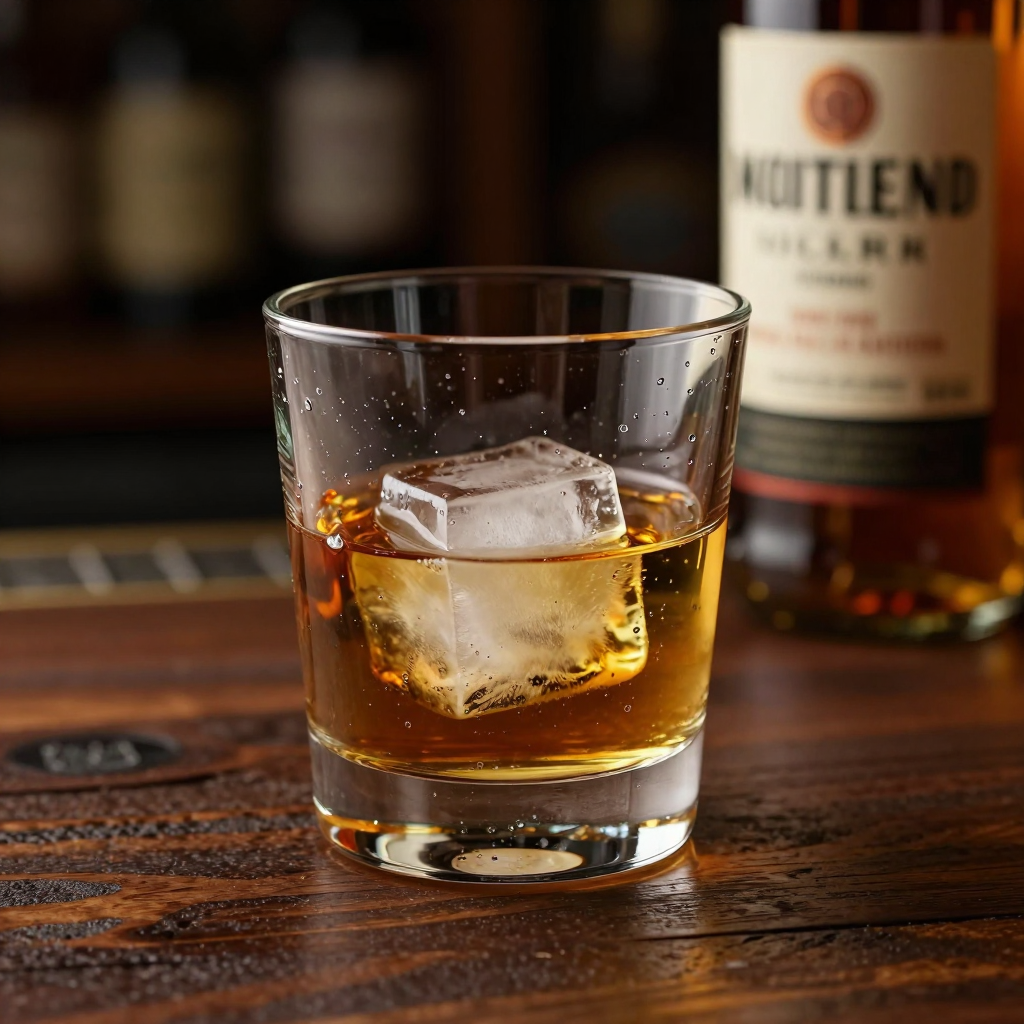
On the rocks is the same whisky poured over ice — usually one or two cubes in a short tumbler. That’s the whole drink.
What happens next, in the glass that has the ice, is a slow, quiet change. And it happens in two stages.
What the ice does first: the chill
Before a single drop of the ice has melted, the temperature is already changing how the whisky tastes. A study published in the journal Matter found that ethanol molecules arrange themselves differently at different temperatures — so a chilled whisky genuinely tastes different from a room-temperature one, dilution not included. The practical effect is what everyone has always noticed: cold keeps the nose quieter (fewer of the aroma compounds rise off the surface), while warmth lets the whisky’s nose bloom. Chill it and the drink tastes rounder and softer; let it warm and it smells more of itself.
What the ice does second: the melt
Then the ice starts to work, and this is where the purists’ case gets interesting. The old saying — “a drop of water opens the whisky up” — is not a myth. In a 2017 study, Swedish chemists ran computer simulations of whisky’s molecules as the alcohol level fell, and found that as the mixture thins, the aroma compounds start to move to the surface and release more of their scent. In plain terms: a little dilution makes the whisky smell more of its best notes, not less. And when the alcohol and the melt-water mix, a small reaction gives off a touch of heat, which releases even more of those volatile aromas.
So the cube in your glass is doing two jobs at once: chilling the drink, and slowly building a little flavour engine that runs for as long as the ice lasts. A highball does the same with soda, which is exactly why the highball is its own little controversy — same science, different mixer.
What each side actually gets
Neat gives you the whisky the way it left the bottling house: the full aroma from the first sip, no chill muting it, no drift as the glass warms and dilutes. It’s also the honest way to evaluate a whisky — if you’re deciding whether a bottle is worth the money, you want to taste what’s actually in it, which is a good habit for a site called The Value Dram.
On the rocks gives you a colder, softer drink whose character opens up as the ice melts. The burn of a full-strength whisky is tamed, which is why so many people find it the easier first sip. And it’s the practical choice on a warm evening.
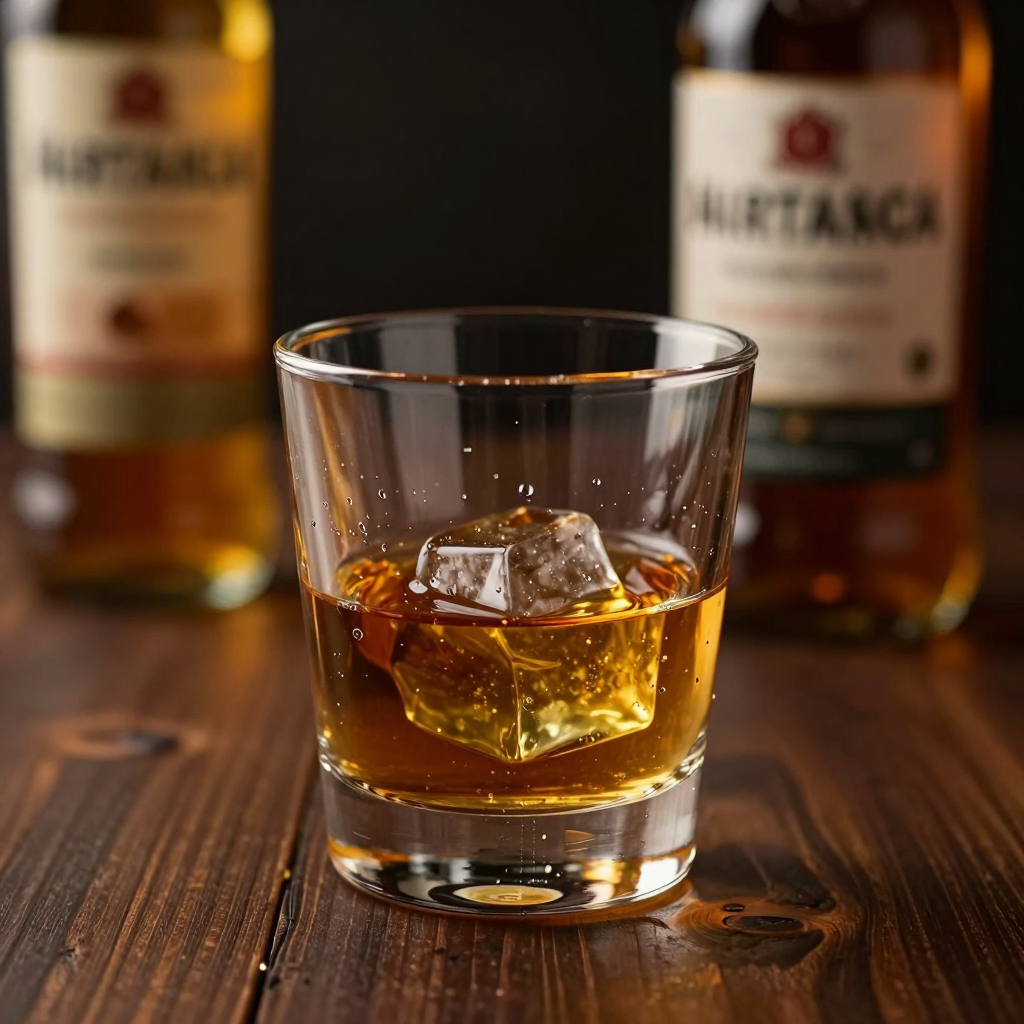
A practical note if you go with ice: size matters. One large cube or a sphere melts far more slowly than a handful of small ones, so your drink stays closer to how you poured it. And if you like the melt but not the chill, a few drops of plain water does exactly the same “opening up” job without cooling the glass.
If that settles it in favour of ice
The last upgrade is the ice itself. Your freezer tray gives you small, cloudy cubes that melt quickly and have spent weeks absorbing the smell of whatever else was in there. A countertop ice maker fixes all of that — and for a whisky drinker the shape that matters is the sphere: big and clear, it melts slowly enough to keep your glass cold without watering down the dram.
iTOMA Ice Ball Maker — One-Touch Self-Cleaning
Is it worth it? If you have an ice ball on the rocks once a month, no — a bag of ready-made spheres is the value play. But if serving whisky on the rocks is a regular habit, this is the sort of small upgrade that turns a routine into a ritual. Value, as always: spend where you actually use it.
The catch: it’s your whisky
You’ve already guessed where this lands, if you read the highball piece. The science above is the important part: both camps feel something real. The purist isn’t imagining a loss — the cold genuinely mutes the aroma, and the melt genuinely changes the drink. The ices-advocate isn’t making excuses either — the dilution genuinely releases flavour that stays locked up at full strength. Two true observations, about the same glass.
Which means nobody actually owns the “correct” way. If you bought the bottle, you can drink it however you want — neat, on the rocks, with a drop of water, or over a highball’s worth of soda. Value, as we keep saying on this site, isn’t in the bottle or the glass. It’s in what you actually enjoy. The only real rule is to be kind to the person on the other side of the fence. (Drink responsibly, and only if you’re 18+.)