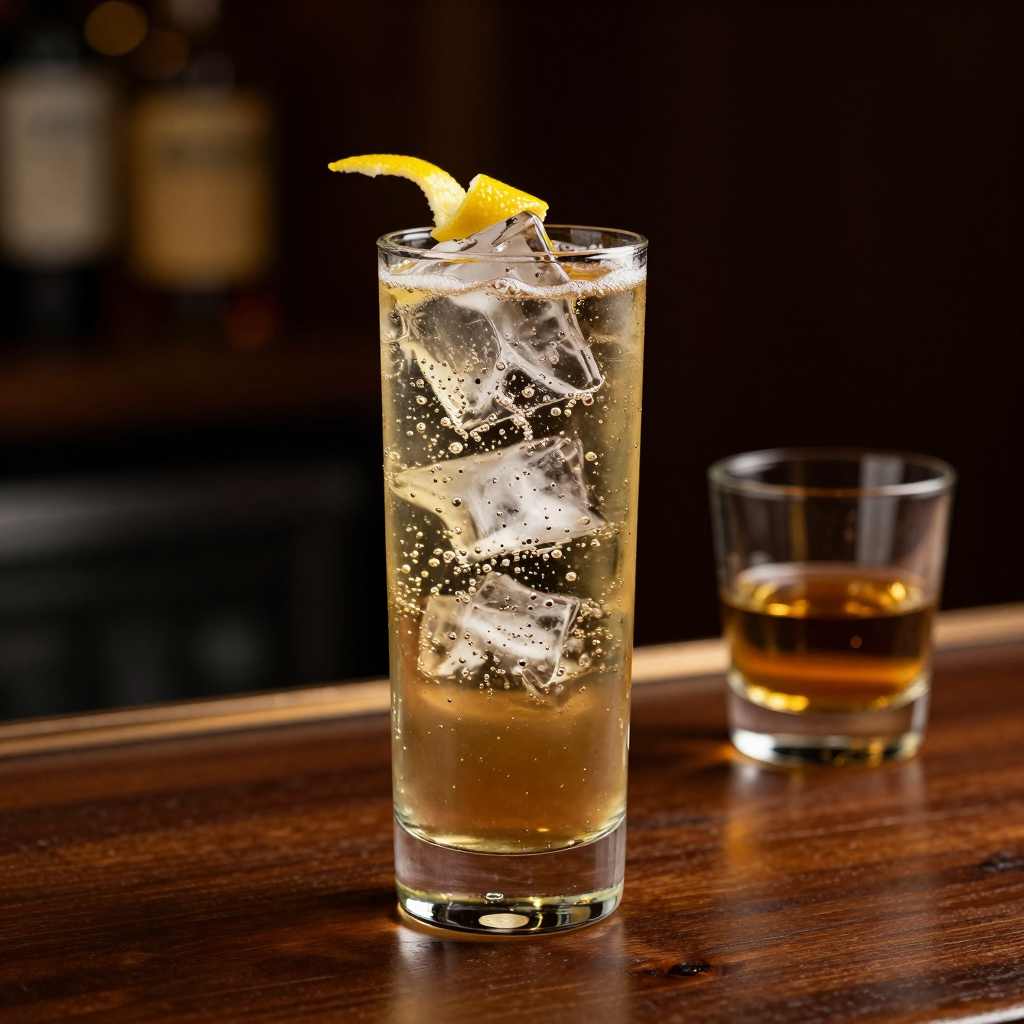
What Is a Whisky Highball (and Why It's So Controversial)
Ask about the highball in a whisky forum and you’ll start a war. It’s the same drink being served by the glass to someone who has just discovered they like whisky and being called “sacrilege” by someone who has been sipping it neat for twenty years. Both are right, in their own way — and the whole argument comes down to one sentence at the end of this article. First, what the drink actually is.
What is a highball?
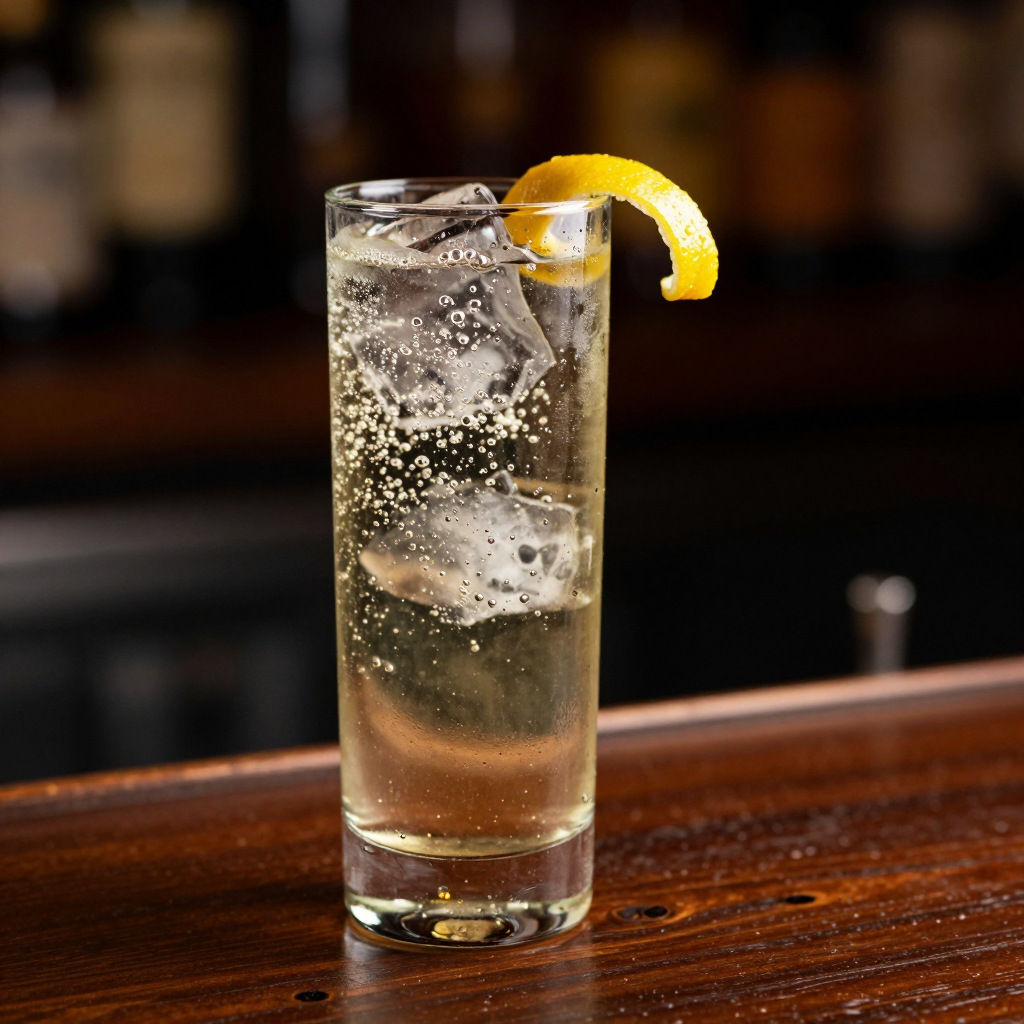
Strip it back and it’s the simplest cocktail in whisky: whisky and soda water. The classic recipe is one measure of whisky (50ml) to two or three measures of soda (100–150ml), built in a tall, slim glass, traditionally over ice, with a strip of lemon peel if you want one.
The idea isn’t new. Drinking whisky with carbonated water goes back to the 19th century, when soda water became widely available, and the logic has not changed: the tiny, neutral bubbles don’t mask the whisky — they lift it — while the long, cold format makes the whole thing bracingly refreshing. On a warm evening, or before dinner, it turns a heavy spirit into an easy drink.
Why is it controversial?
The purists’ case is straightforward: whisky is something you sip neat, and the highball works against that in two ways at once. The ice chills it, which shuts down some of the aroma, and the soda dilutes it, which softens the very nuances you paid for. In their telling, adding anything but a spot of water is a step down the hill, and a measure of fizzy water plus a handful of ice is flat-out heresy.
The other side has a point too. The highball is the classic gateway drink — it’s what gets most people to realise they actually like whisky. It’s cold, light and approachable, and it asks nothing of you except to taste. It’s also not some fringe hobbyist position: the big houses promote it openly, and Chivas has its own “Classic Whisky Highball” recipe on its website. As one editor put it in Scotch Whisky magazine: “How can a simple highball cause offence?” — and the uncomfortable answer is that some of the veneration around the neat dram, all the tweed-waistcoat ceremony of it, has genuinely scared off newcomers who just wanted a decent drink.
Here’s where we land: both sides are right for different moments. The highball isn’t a substitute for sitting with a good dram on a rainy evening, but it was never meant to be. It’s a different drink for a different time.
Why Chivas Regal 12 or Johnnie Walker Black Label
If you’re making highballs, you want a whisky that’s smooth, affordable and happier to share the glass. That’s exactly what these two are — the most recognised blends on the UK shelf, both of them.
- Chivas Regal 12 (typically around £24–£32 for 70cl) has the orange and citrus notes you’ll see in our tasting notes. Citrus loves bubbles: the effervescence plays off those notes instead of fighting them.
- Johnnie Walker Black Label (around £22–£32 for 70cl) is the honey-and- fruit option. Its rounded, toffee-sweet character makes the soda taste sweeter and the whisky taste softer — a very easy, very drinkable combination.
And there’s a value point that matters. A highball uses a full measure of whisky, so the drink costs you per glass, not per dram. The smart play is to learn the style on a bottle you genuinely like at a price that doesn’t make you flinch — not to reach for a £90 single malt and pour it down a glass of fizz. Fancy whisky is for the sipping. These two are for the highball, and that’s no slight on either.
Chivas Regal 12 Year Old Blended Scotch Whisky
Johnnie Walker Black Label 70cl
We’ve gone far deeper on both bottles in our series — see is Chivas Regal 12 worth it? and is Johnnie Walker Black Label worth it?, plus the head-to-head comparison.
How to make one
- Fill a tall, slim glass with ice — or don’t; more on that below.
- Pour one measure of your blend (50ml).
- Top with chilled soda — 100–150ml, poured slowly so the bubbles survive.
- Gentle fold, not a stir. A long spoon through once or twice is enough; stir hard and you’ll blow the fizz off.
- Lemon peel, if you want it. It adds a top note — but if you’re using a citrusy whisky like Chivas, try it without first.
Ice or no ice? That’s the second, smaller argument. Ice keeps the drink cold from the first sip, but it keeps melting, so a highball with ice slowly turns flatter and more watery as you drink it. Without ice, the drink starts a touch warmer, the bubbles sit gentler, and the whisky’s character stays present for longer — at the cost of losing that bracing, cold snap. Neither is wrong; it’s the same choice as a cold beer versus a room-temperature one.
The catch: it’s your whisky
Here’s the sentence the whole controversy comes down to: if you bought the bottle, you can drink it however you want.
There is no rulebook. The purists aren’t guarding a law — they’re describing a preference, and a preference doesn’t get to make your evening. This is also the whole philosophy of this site. Value isn’t in the bottle, and it isn’t in the glass. Value is in what you actually enjoy. If the highball is what gets you reaching for the whisky on a warm evening, then it has done its job beautifully — and the bottle has delivered exactly the value you paid for.
The only real advice we’d add is to be kind to the person sipping it neat beside you. Different glass, same good taste. (Drink responsibly, and only if you’re 18+.)