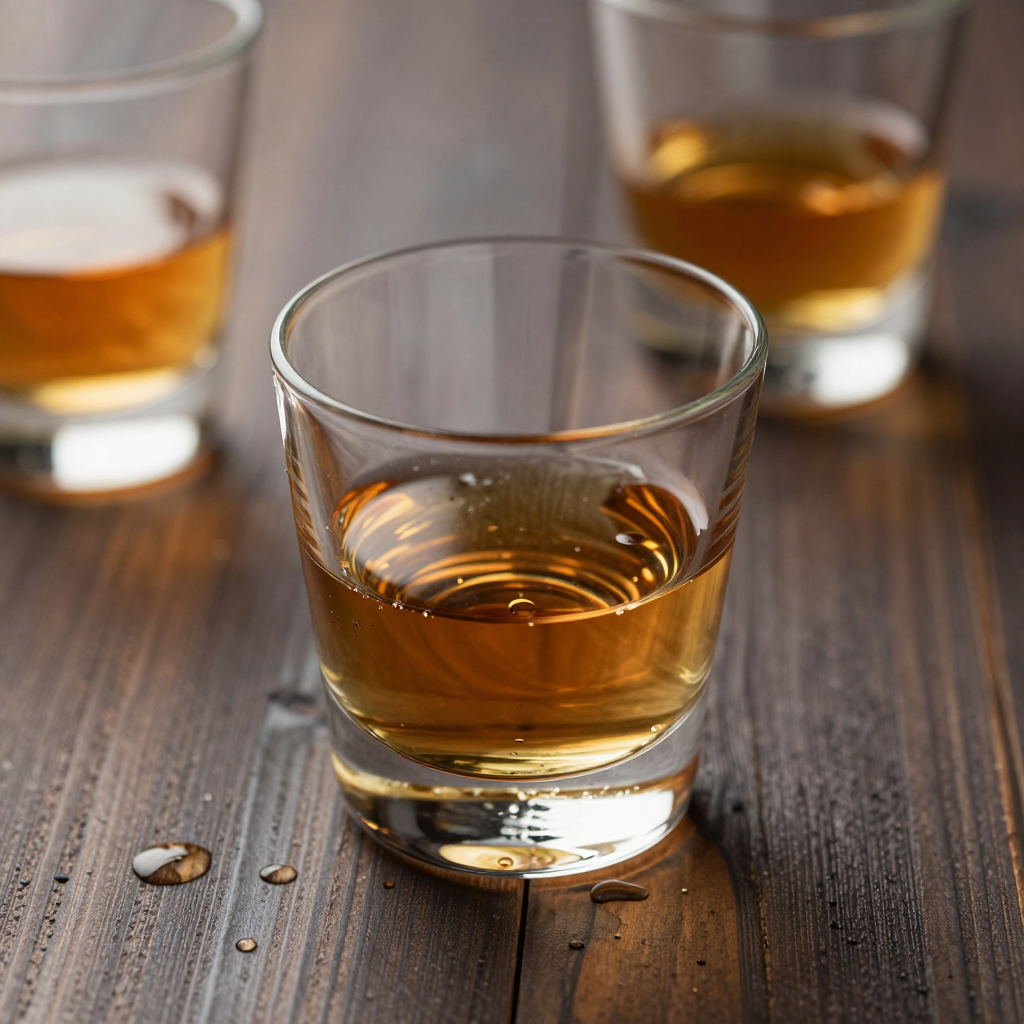
What Johnnie Walker Blue Label Tastes Like: The Notes in the Glass
Part 4 of 5
Worth the Dram? Discovering Johnnie Walker Blue Label
We’ve seen where Johnnie Walker Blue Label comes from and how it’s made. Now for the part you’ve been waiting for: what it actually tastes like.
A quick note on how we’re describing this. The flavour profile below is what the brand and whisky reviewers consistently report — the expected notes. At the end, we’ll leave space for our own honest, non-expert impression, because that’s what we are.
What to expect in the glass
Pour it and the first thing people usually notice is how rich and smooth it looks and feels — thick on the palate for a 40% whisky, with the character the brand describes as “rolling waves of flavour and an unrivaled depth of character”.
The notes most consistently reported:
- Honey, toffee and dark fruit — the sweet core. Caramel, dried fruit, a touch of chocolate; the blend’s “this is the expensive one” feel.
- A soft, distant smoke — the Caol Ila contribution. Not the big, upfront peat of an Islay single malt; more a hint in the background, the smoke you notice as the whisky warms and settles.
- Warm spice — gentle, under the sweetness rather than on top of it.
- A long, unhurried finish — this is what “depth of character” means in practice: it doesn’t end at the swallow. It lingers.
And the strength matters. At 40% ABV, Blue Label is on the gentle side by whisky standards. The alcohol warmth builds slowly rather than greeting you at the door, which is part of why people who’ve only drunk whisky on the rocks or in highballs find it surprisingly drinkable — and part of why the purists grumble.
How to get the most out of it
- A glass, not a tumbler. Give the nose room. A rounded glass (the old “old fashioned” shape works) concentrates the aromas over your nose without trapping them.
- Neat, or a few drops of water. If you’ve read our piece on whisky with or without ice, you know the science: a little water releases more of the aroma compounds. For a whisky this rich, most people start neat, then add a few drops and watch the nose open up. Both are right.
- Small sips, no rush. This is not a drinking-drink; it’s a sitting-down-with-it dram. Two or three slow sips say more than a quick one ever will.
- Room temperature. The craft behind the bottle was built for the glass, not the freezer. If you do want ice, use one large cube — but know that you’re trading some of the nose for the chill.
The honest expectation
Here’s the realistic version: Blue Label is not going to shout at you. Compared with a young, aggressive single malt, it’s quiet, layered and polished — the flavour equivalent of a well-tailored suit rather than a loud jacket. Some drinkers find that thrilling; others find it a little safe. Both reactions are legitimate, and both are why the next part — the verdict — is where this series actually lands.