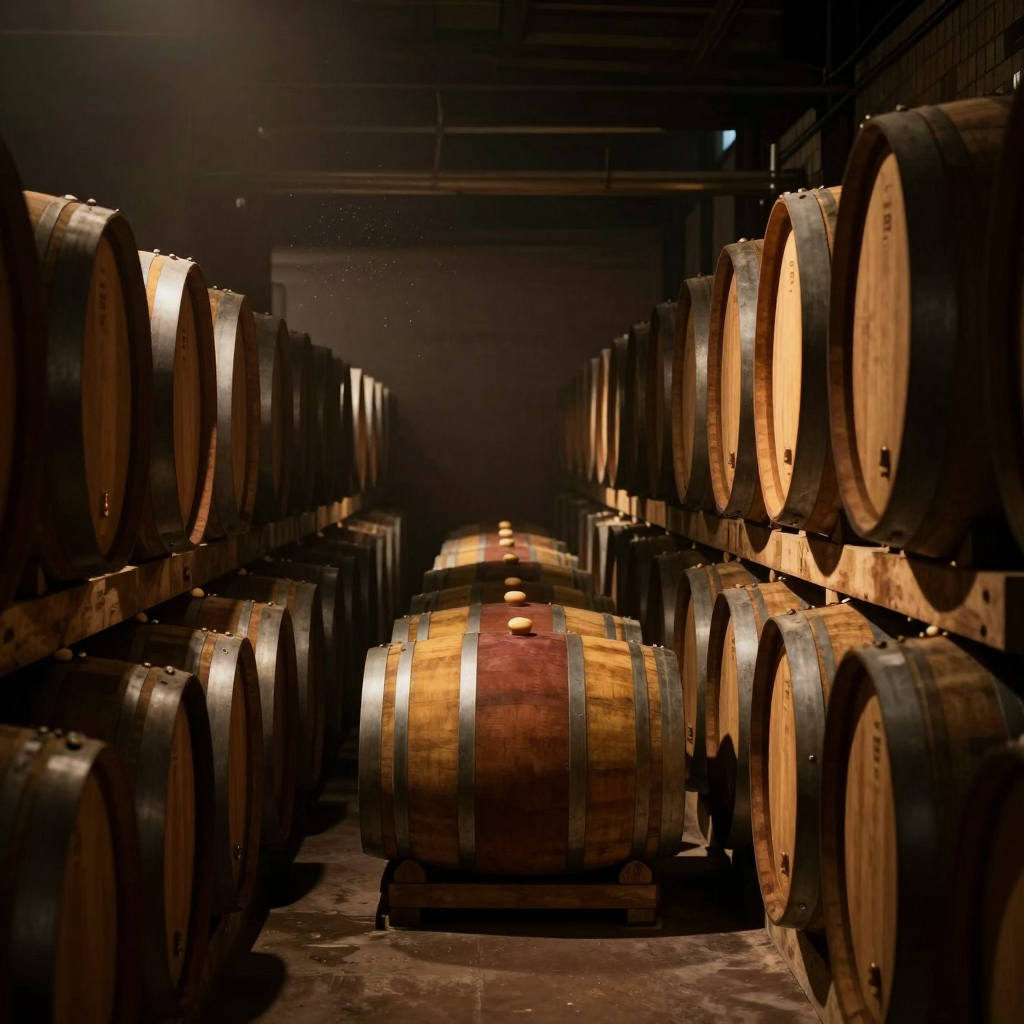
How Johnnie Walker Blue Label Is Made: One Cask in Ten Thousand
Part 3 of 5
Worth the Dram? Discovering Johnnie Walker Blue Label
In the last part, we saw how Blue Label was built to be the most serious bottle the Walker name had ever made. Now let’s look at the craft — because what’s inside this bottle is genuinely unusual for a supermarket shelf.
The numbers that matter
Johnnie Walker Blue Label is a blended Scotch whisky — single malts and grain whiskies combined by a blender, exactly like the Black Label we covered in the other series. But the selection is on a different scale.
- The brand says only one cask in every 10,000 makes the cut — hand-selected from across Scotland’s distilleries, including some from long-closed “ghost” distilleries that no longer exist.
- There’s no age statement on the label — rare for a premium Scotch — because the blend is built around rarity and character rather than a minimum age. Whisky writers report the component whiskies as ranging, allegedly, from as young as seven to as old as fifty years.
- It’s bottled at 40% ABV, the classic strength for a sipping blend.
What’s in the blend
The exact recipe is a trade secret and changes with the casks available, but whisky historians give a consistent picture of the core. The single malts come from distilleries including Benrinnes, Cardhu, Clynelish and — most famously — Caol Ila on Islay, a peated distillery that closed in 1993 and now exists only in its casks. The grain side has historically come from Cameron Bridge and the Port Dundas distilleries, which have since been demolished. In other words: part of what you taste in the bottle was made in buildings that no longer stand.
The “blue cask”
And then there’s the story the brand itself tells: at the heart of the blend, Diageo says, is a single legendary cask of forty-year-old Caol Ila — so famous in the trade that it’s known simply as the “blue cask”, and the whole bottle takes its identity from it. Treat that as the brand’s own account of its own product (it’s the story on the shelf, not an independent lab report) — but it explains a lot about the character we’re going to taste next: a hint of Islay smoke threading through a blend that’s otherwise rich, sweet and round.
Why blend at all, at this price?
If the bottle is aiming for the top of the range, why not just call it a single malt? Because a blend done this way can do something a single distillery can’t: it’s built for balance and depth, year after year. The blender is not showing off one character — the goal is a consistent, layered, unhurried whisky that tastes like the name on the label in every bottling, whether you buy it in 1995 or 2026. The Black Label does that on a budget. Blue Label does it with casks that took decades and closed distilleries to gather.
What’s coming
We know what it was built to do. Next, we get to the part you actually care about: what it does in the glass.