How Chivas Regal 12 Is Made: The Craft Behind the Blend
Part 3 of 5
Worth the Dram? Discovering Chivas Regal 12
In the last part, we saw how Chivas Regal’s history set a house style built on quality and consistency. Now let’s look at the craft itself — because the way a blend like this is made is exactly what produces the flavour we’ll be tasting in the next part.
What “blended” actually means
A blended Scotch whisky is made by combining two different types of whisky: single malt (made from 100% malted barley at one distillery, in pot stills) and single grain (a lighter whisky distilled from other grains like wheat or corn, usually in tall column stills).
A single blend might contain anything from around 15 to 50 different whiskies, each adding its own character. Chivas Regal 12 is a blend of malt and grain whiskies, all matured for at least 12 years.
The misconception worth clearing up
A lot of people assume “blended” means “worse.” It doesn’t — it’s a different craft. A single malt has one distillery’s personality. A blend is about consistency: taking many different whiskies and making something that tastes the same, every single time, year after year. That’s genuinely hard to do.
The malt: Strathisla at the heart
Every bottle of Chivas Regal has Strathisla single malt at its heart. Founded in 1786, Strathisla is the oldest working distillery in the Scottish Highlands. It’s the “core” malt of the blend — the flavour that gives Chivas Regal its signature smoothness.
The grain: the smooth backbone
The other main ingredient is grain whisky — light, clean and subtle. It doesn’t dominate; it provides the smooth, gentle backbone that carries the malts and makes the blend easy to drink. Think of it as the canvas the malt paints on.
Twelve years in oak
To be called a 12-year-old, the youngest whisky in the blend must have matured for at least 12 years. Most of it rests in ex-bourbon oak casks — barrels that previously held American bourbon. Those casks are the reason you get the warm honey, vanilla and caramel notes; the oak gives structure, and the whisky that was in the barrel leaves a sweet, mellow trace behind.
The master blender’s art
This is where the craft really lives. The master blender noses and samples thousands of casks, then selects and marries them into a single, consistent recipe. As Chivas’s own master blenders put it, the aim is to take many different flavours and make “something greater than the sum of its parts.”
It’s a balance: enough richness to be interesting, enough smoothness to be enjoyable, and exactly the same character in every bottle. That’s not luck — that’s a skill honed over a century.
Bottled at 40%
Chivas Regal 12 is bottled at 40% ABV — the standard strength for Scotch. That’s part of why it’s so approachable: it’s smooth and easy to sip, whether you’re new to whisky or you’ve been drinking it for years.
Why this craft explains the taste
So now you can see why we expect honey, vanilla and orchard fruit in Chivas Regal 12. It’s not magic — it’s the result of a deliberate process: Speyside malt at the heart, grain for smoothness, ex-bourbon casks for the honey and vanilla, and a master blender pulling it all into a consistent whole.
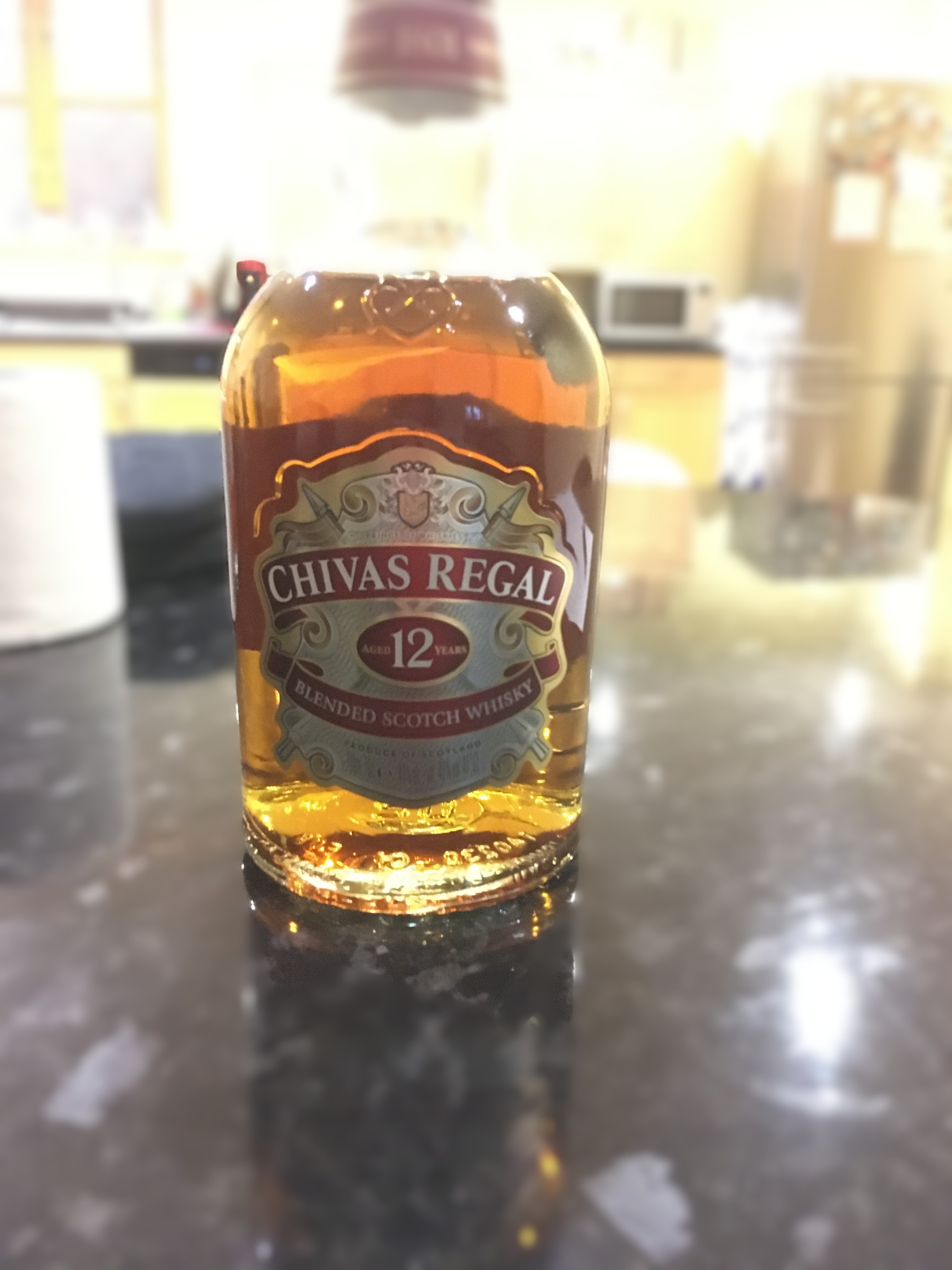
You can see the bottle we’re talking about here: Chivas Regal 12 Year Old Blended Scotch Whisky (ad) .
Next up: what all that actually means in the glass — the tasting notes you should expect, and how to find them. See you there. (Drink responsibly, and only if you’re 18+.)